PHQ9 for Pregnancy & Postpartum Depression Screening
The journey into motherhood is often described as beautiful and transformative, but it can also be incredibly challenging. Amidst the joy and anticipation, many expectant and new mothers experience unexpected emotional shifts. Feelings of sadness, anxiety, or being overwhelmed can be more than just the "baby blues." But how can you know if what you're feeling is something more?
This guide is here to help. We will explore how the Patient Health Questionnaire-9 (PHQ9) serves as a vital, accessible tool for screening maternal depression during pregnancy and the postpartum period. Understanding this simple questionnaire can help you check in with your emotional well-being and recognize when it's time to seek support. A great first step is to check your well-being with a confidential screening.

How PHQ9 Is Used During Pregnancy
Depression during pregnancy, also known as prenatal or antenatal depression, is more common than many people think. Hormonal changes, life stress, and personal history can all contribute to these feelings. The PHQ9 provides a simple, structured way for you and your healthcare provider to monitor your mental health throughout these nine months.
Why Screening Maternal Mental Health Matters
Your emotional health during pregnancy is just as important as your physical health. Untreated depression can affect your self-care. It may lead to poor nutrition, sleep issues, or missed prenatal visits. Stress and depression also raise risks like premature birth or low birth weight for your baby.
Screening for maternal mental health is a proactive step. It allows for early identification of symptoms, which means you can get support sooner. Think of it as a regular emotional checkup, helping ensure a healthier and happier pregnancy for both you and your baby.
Are There Special Adaptations for Pregnant Individuals?
This is a common and important question. The standard PHQ9 is a clinically validated tool that is widely used for pregnant individuals without any special changes. However, it's crucial to interpret the results with context.
Some PHQ9 questions overlap with pregnancy norms. Fatigue, sleep changes, and appetite shifts are common. Tiredness hits hard in the first trimester, for instance. This is why discussing your results with a doctor is so important. They can help distinguish between typical pregnancy experiences and potential signs of depression, ensuring you get the right advice.
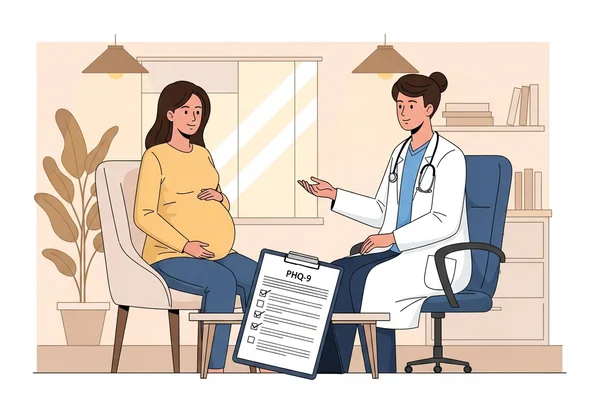
Navigating PHQ9 for Postpartum Depression Screening
The weeks and months after childbirth, known as the postpartum period, bring a whirlwind of new emotions and adjustments. While many new mothers experience the "baby blues," a more serious condition called postpartum depression (PPD) can also develop. The PHQ9 is an excellent tool for postpartum depression screening, helping to identify symptoms that need attention.
Recognizing the Signs: Beyond the "Baby Blues"
It's essential to understand the difference between the "baby blues" and postpartum depression.
- The Baby Blues: Affects up to 80% of new mothers. Symptoms are usually mild and include mood swings, anxiety, and sadness. They typically appear within a few days of delivery and resolve on their own within two weeks.
- Postpartum Depression (PPD): This is a more severe and longer-lasting condition. Symptoms are intense enough to interfere with your ability to care for yourself and your baby. They can include severe mood swings, intense irritability, feelings of worthlessness, and difficulty bonding with your baby.
The PHQ9 helps quantify these feelings, making it easier to see if your symptoms align more closely with PPD.
When to Consider a PHQ9 Assessment After Birth
Many healthcare providers will screen for postpartum depression at your postpartum checkup, which is typically around six weeks after delivery. However, you don't have to wait. You can use an online assessment at any time you feel concerned about your emotional state.
Consider taking a PHQ9 assessment if you notice that feelings of sadness, anxiety, or hopelessness are not going away after the first couple of weeks. If your symptoms are making it difficult to get through the day, it's a good time to take the assessment and share the results with your doctor.

Understanding Your PHQ9 Score and Maternal Mental Health
Once you've completed the questionnaire, you'll receive a score from 0 to 27. This score provides a snapshot of your depressive symptoms over the past two weeks. Remember, this is a screening tool, not a diagnosis. Its purpose is to help you and your provider understand the severity of your symptoms.
What Your PHQ9 Score Means in the Perinatal Period
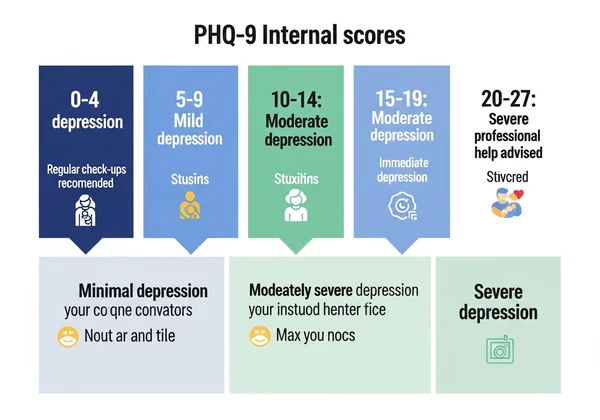
The score ranges help categorize the level of depressive symptoms. Here is a general guide to interpreting your score during pregnancy or the postpartum period:
- 0-4: Minimal or no symptoms of depression.
- 5-9: Mild symptoms. You may be experiencing some difficult days, but they are likely manageable.
- 10-14: Moderate symptoms. Depression is likely impacting your daily life.
- 15-19: Moderately severe symptoms.
- 20-27: Severe symptoms. It is highly recommended to seek professional help.
Regardless of your score, if you feel that your symptoms are interfering with your life, it is always a good idea to speak with a healthcare professional.
The Importance of the Ninth Question: Suicidal Ideation
The final question on the PHQ9 is the most critical. It asks about thoughts of self-harm or suicide. This question must be taken very seriously. Any score above zero means you've had these thoughts at least one day. Seek help right away.
Please talk to your doctor, a mental health professional, or a trusted loved one right away. You can also contact a crisis hotline for immediate, confidential support (for example, the 988 Suicide & Crisis Lifeline is available 24/7 in the United States by calling or texting 988). Your safety is the top priority.
Practical Considerations for Perinatal PHQ9 Use
Taking the PHQ9 is a powerful first step, but what comes next is just as important. The results are a tool to empower you, giving you a clear starting point for improving your mental well-being during this unique life stage.
Using Your Results to Start a Conversation
One of the biggest benefits of the PHQ9 is that it gives you concrete information to share. It can be hard to put feelings into words, especially when you're exhausted and overwhelmed. Your score can help you start a conversation with your partner, a friend, or your doctor.
For example, you could say: "I took an online depression screening, and my score was in the moderate range. I've been feeling this way for a while, and I'm worried." This simple statement provides a clear and objective entry point, making it easier for others to understand what you're going through and offer support.
Complementing PHQ9 with Professional Support
The PHQ9 is a screening tool—it identifies the possibility of a problem. A formal diagnosis and treatment plan can only come from a qualified healthcare professional. After you get your initial insights, the next step is to schedule an appointment with your doctor, an obstetrician, or a mental health therapist.
They can conduct a full evaluation, consider your unique circumstances, and discuss treatment options. These may include therapy, support groups, lifestyle changes, or medication that is safe for pregnancy or breastfeeding. Getting professional support is a sign of strength and the best thing you can do for yourself and your family.
Your Path to Maternal Well-being: Taking the Next Steps
Every pregnancy and new mom journey looks different. The PHQ9 helps you tune into yours with kindness. Your mental health is a vital part of this experience. The PHQ9 is not a test you pass or fail; it's a compassionate tool designed to help you listen to your own emotional needs.
Remember, recognizing that you need support is the first and most courageous step. Whether your score is low or high, checking in with yourself is always a positive action.
Ready to take that first step? Your emotional well-being matters. Start your confidential PHQ9 assessment today to gain valuable insight into your mental health.
Frequently Asked Questions About PHQ9 in Pregnancy & Postpartum
Is the PHQ9 accurate for pregnant or postpartum individuals?
Yes, the PHQ9 is a scientifically validated and reliable screening tool used worldwide for the general population, including those in the perinatal period. However, because some symptoms like fatigue can overlap with normal pregnancy, it's crucial to discuss your results with a healthcare provider for an accurate interpretation.
How often should I take the PHQ9 during pregnancy or postpartum?
Your doctor may recommend screening at specific intervals, such as during your first prenatal visit and at your postpartum checkup. You can also choose to take it any time you feel a significant, persistent change in your mood or mental state. Regular check-ins can help you monitor your well-being proactively.
What is a normal PHQ9 score during pregnancy or after birth?
There isn't a single "normal" score, as everyone's experience is different. Generally, a score between 0 and 4 is considered to be in the minimal symptom range. The most important thing is how you feel. Any score that reflects feelings of distress is a valid reason to start a conversation with a professional.
Can the PHQ9 diagnose me with postpartum depression?
No, the PHQ9 cannot diagnose you. It is strictly a screening tool designed to identify the presence and severity of depressive symptoms. A formal diagnosis of prenatal or postpartum depression can only be made by a qualified healthcare professional after a comprehensive clinical evaluation.
What should I do if my PHQ9 score is high during this period?
If your score is high, it is a strong signal that you should seek support. The most important next step is to schedule an appointment with your doctor or a mental health specialist as soon as possible. In the meantime, talk to a trusted partner, friend, or family member. You don't have to go through this alone, and effective help is available. You can use the free tool now to get a clear starting point for that conversation.